
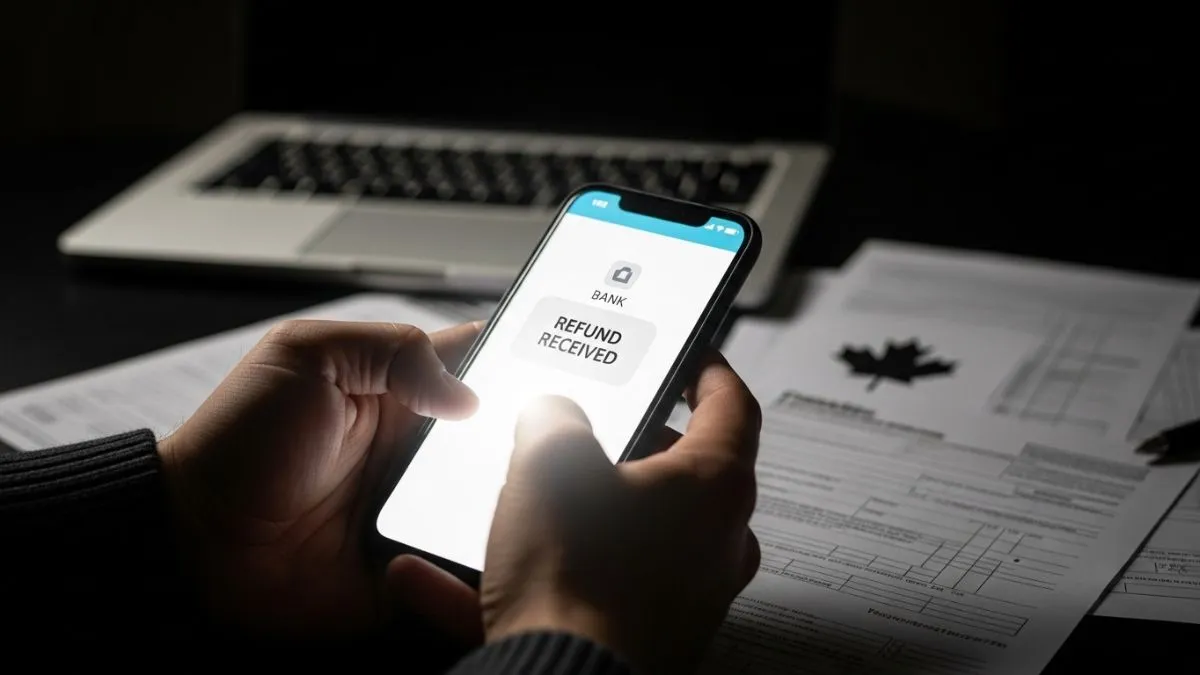
Tax season is a significant financial period for Canadians each year. For many individuals, it’s not only about submitting their returns but also about receiving a refund that can help manage expenses, pay down debt, or increase savings. In 2026, updated processing timelines and enhanced digital systems are influencing how quickly refunds are issued by the Canada Revenue Agency.
Although the overall process remains familiar, improvements in processing speed, verification systems, and filing methods are impacting when taxpayers receive their refunds. Having a clear understanding of these updates can help you avoid unnecessary delays and access your money sooner.
This comprehensive guide outlines the updated CRA tax refund timelines for 2026, key factors that affect processing speed, eligibility considerations, and practical tips for a smoother refund experience.
Understanding CRA Tax Refunds
A tax refund is issued when the amount of income tax you’ve paid during the year exceeds what you actually owe. This often occurs due to payroll deductions, tax credits, or deductions that lower your taxable income.
After you file your tax return, the CRA reviews and assesses it to determine whether you owe money or are entitled to a refund. If a refund is due, it is issued either via direct deposit or as a mailed cheque.
In 2026, while the basic structure of refunds remains unchanged, improvements in verification processes and processing systems have been introduced to enhance accuracy and reduce fraudulent activity.
Standard CRA Refund Timelines for 2026
The CRA provides general timelines based on how your return is submitted.
Electronic Filing (E-file)
For taxpayers who file electronically, refunds are generally issued within:
- 8 to 14 days for simple returns
- Up to 21 days if additional checks are required
E-filing continues to be the fastest option, particularly when combined with direct deposit.
Paper Filing
For those who submit paper returns, processing times are longer:
- Typically 6 to 8 weeks under normal conditions
- Potentially longer if manual review or additional documentation is needed
Paper filing remains slower due to mailing delays and manual handling.
Why Refund Timelines Are Changing in 2026
Several factors are contributing to updated refund timelines this year.
Increased Digital Verification
Enhanced identity verification systems help prevent fraud and protect taxpayer accounts, though they may occasionally add a few extra days to processing.
Higher Filing Volumes
More Canadians are filing earlier and using electronic methods, which can create peak periods and slightly slower processing times.
Automation Improvements
The CRA has expanded automation capabilities, allowing straightforward returns to be processed more quickly, while complex cases may still require manual review.
Focus on Accuracy
Greater emphasis is being placed on verifying tax credits and deductions, reducing errors but sometimes extending processing time.
Key Factors That Affect Your Refund Speed
Refund timelines can vary depending on individual circumstances.
Filing Method
Electronic filing is significantly faster than paper filing, especially when using certified tax software.
Direct Deposit vs Cheque
Direct deposit is the quickest way to receive your refund, while mailed cheques take longer due to delivery time.
Accuracy of Information
Mistakes in your return, such as incorrect income figures or missing details, can lead to delays.
Claiming Certain Credits
Some credits may trigger additional review, particularly if they are new, unusually high, or inconsistent with past filings.
Identity Verification Requests
If your return is flagged for verification, processing may pause until the required documents are submitted.
Common Reasons for Refund Delays
Being aware of common issues can help you avoid delays.
Mismatched Income Information
Differences between your reported income and employer-submitted records may lead to further review.
Missing Documents
Failing to include required slips or supporting documents can slow down processing.
Banking Information Errors
Incorrect direct deposit details can prevent timely payment.
Late Filing
Submitting your return close to or after the deadline may result in longer wait times due to higher volumes.
Complex Returns
Returns involving self-employment income, multiple deductions, or foreign income typically take longer to process.
How to Check Your Refund Status
The CRA offers several ways to monitor your refund progress.
CRA My Account
This online portal provides detailed updates, including:
- Confirmation of receipt
- Assessment status
- Expected refund date
Automated Phone Service
Taxpayers can also check their status using the CRA’s phone system.
Email Notifications
Registered users may receive updates when their return has been processed.
Tips to Get Your Refund Faster in 2026
To receive your refund as quickly as possible, consider the following steps.
File Early
Submitting your return early helps you avoid peak processing times.
Use E-filing
Electronic submission is the fastest and most efficient option.
Choose Direct Deposit
Ensure your banking details are correct and up to date.
Double-Check Your Return
Review all information carefully to prevent errors.
Keep Documents Ready
Organize all necessary tax slips and supporting documents before filing.
Special Situations That May Affect Timelines
Certain situations may lead to different processing times.
Self-Employed Individuals
Although they have a later filing deadline, complex returns or late submissions may delay refunds.
New Taxpayers
First-time filers may undergo additional verification checks.
Changes in Personal Information
Updates to marital status, address, or banking details may require extra review.
Large Refund Claims
Unusually high refund amounts may be flagged for verification.
What Happens After Your Return Is Assessed
Once your return is processed, the CRA issues a Notice of Assessment.
This document outlines:
- Final tax calculation
- Any adjustments made
- Confirmed refund amount
- Payment date
If a refund is approved, it will be sent via direct deposit or mailed as a cheque.
What to Do If Your Refund Is Delayed
If your refund takes longer than expected, there are steps you can follow.
Wait for Standard Processing Time
Ensure the typical timeframe has passed before taking action.
Check CRA My Account
Look for updates or requests for additional information.
Respond Quickly to Requests
Submit any requested documents as soon as possible.
Contact CRA if Necessary
If there are no updates after a reasonable period, reach out to the CRA for assistance.
Looking Ahead: The Future of CRA Refund Processing
The CRA continues to invest in technology and digital services to improve efficiency.
Expected advancements include:
- Faster processing for simple returns
- Stronger fraud detection systems
- Enhanced online account features
- Improved communication tools
These developments aim to make the tax process more efficient and user-friendly.
The 2026 CRA tax refund timelines reflect a balance between speed and security. While many taxpayers will still receive refunds within two weeks when filing electronically, additional verification steps may extend timelines in some cases.
The most effective way to receive your refund quickly is to file early, use electronic filing, opt for direct deposit, and ensure all information is accurate.
By staying informed and prepared, you can reduce delays and receive your refund as quickly as possible.